I slay kings.
I eat men.
I am Kalaxes.

AcenesofSparta

A dragon is the real reason Leonidas and his three hundred died at Thermopylae.

All 54 images are in the hardcover.
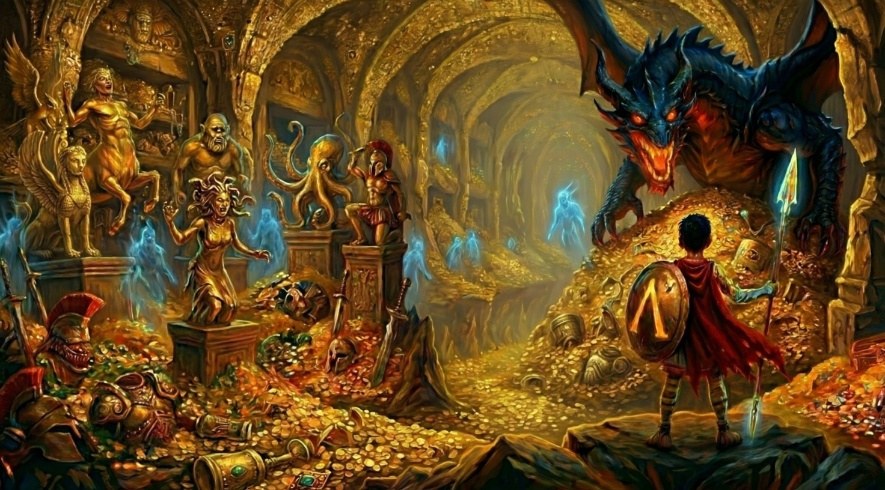
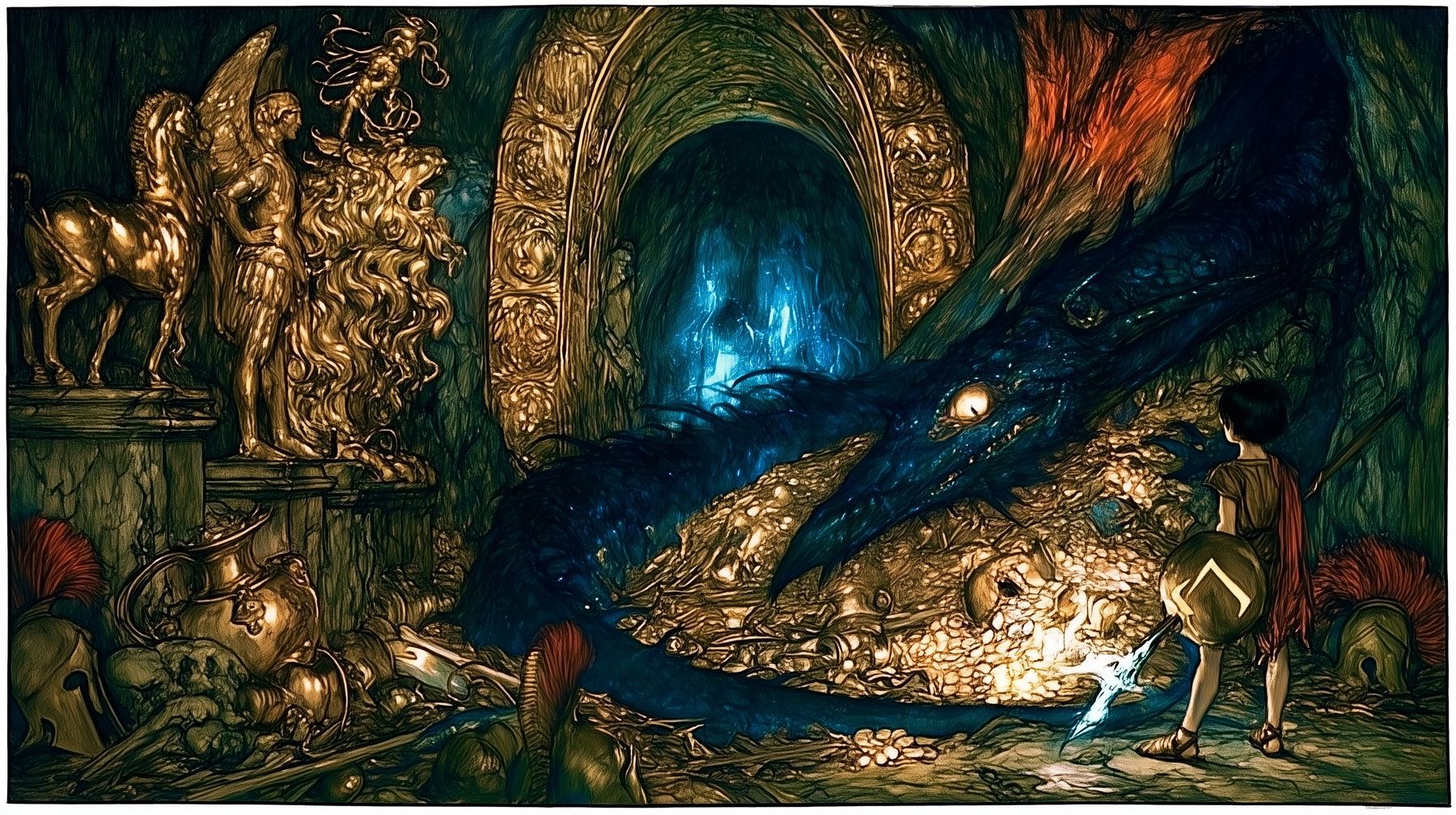
The dragon Kalaxes over its hoard in a gilded hall, the boy standing before it with spear and shield

The Book

Sixty-two years later the gods send a seven-year-old of the agōgē to kill it.

The story promises a slaying. The inquiry is about the cost of it, which is the classical Greek way.

Magic, dragons, gods and war, framed by moral questions. Greek philosophy running underneath, and names hidden in it for anyone who wants to find them.

A historical fantasy of ancient Sparta and Greek mythology, illustrated throughout.

The Illustrated Edition

54

Original illustrations in the manner of the Edwardian gift books, drawn for this edition alone. One opens every chapter. The rest fall where the chapter closes.

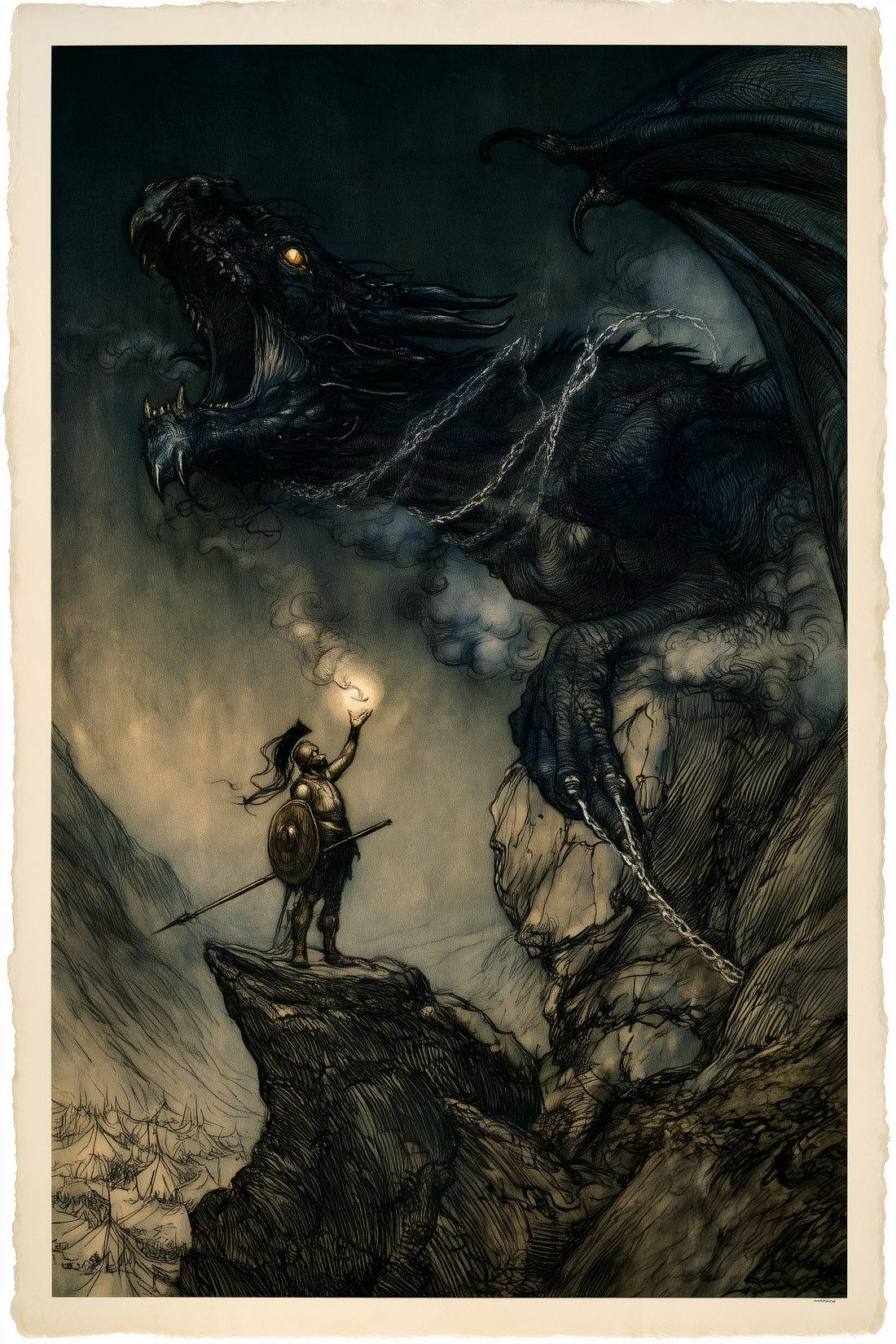
A Spartan king on a high ridge binding an immense dragon with chains of light
Leonidas Binds the DragonPrologue
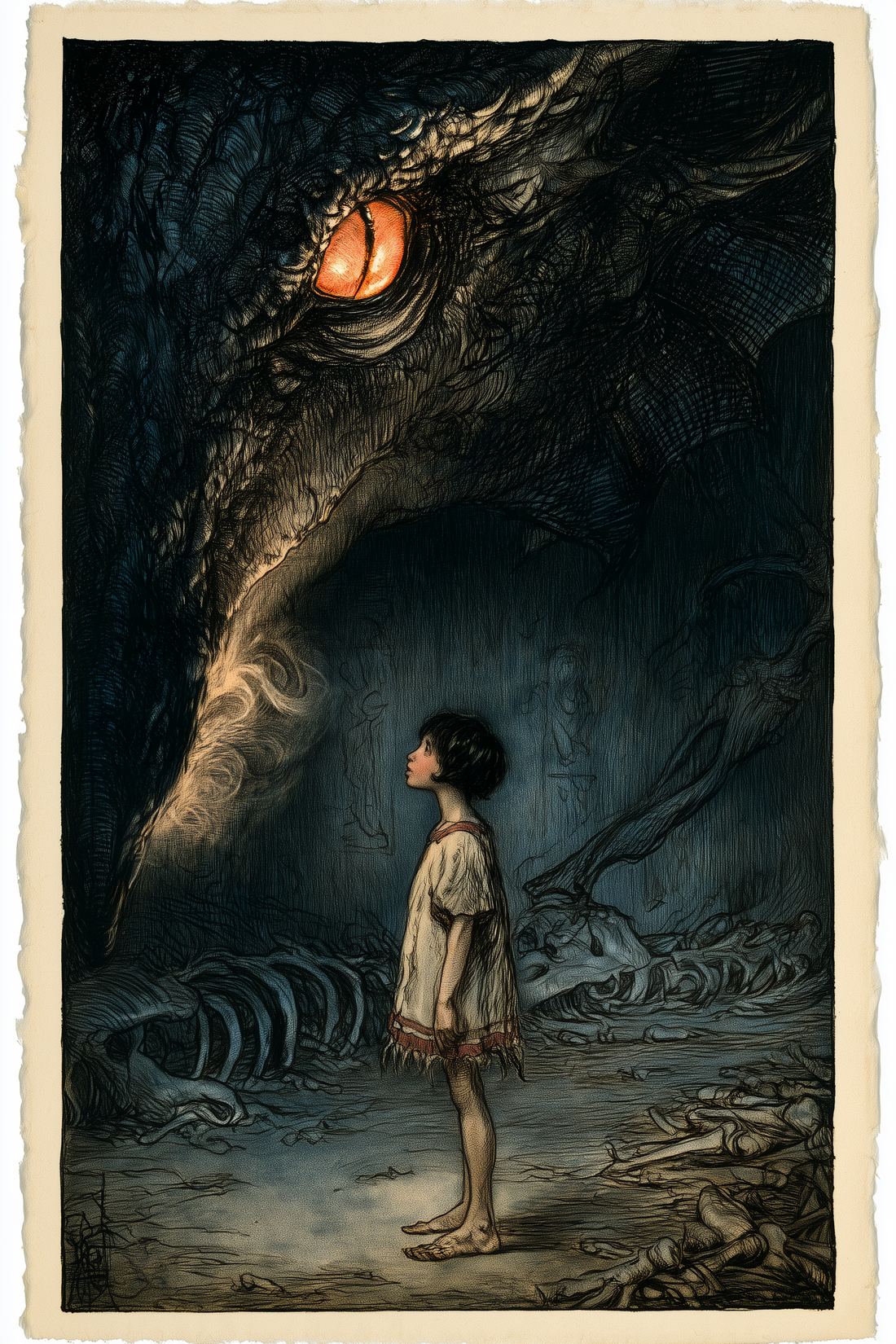
A boy small among the bones of a vast cavern
The Bone CavernThe Spartan Boy
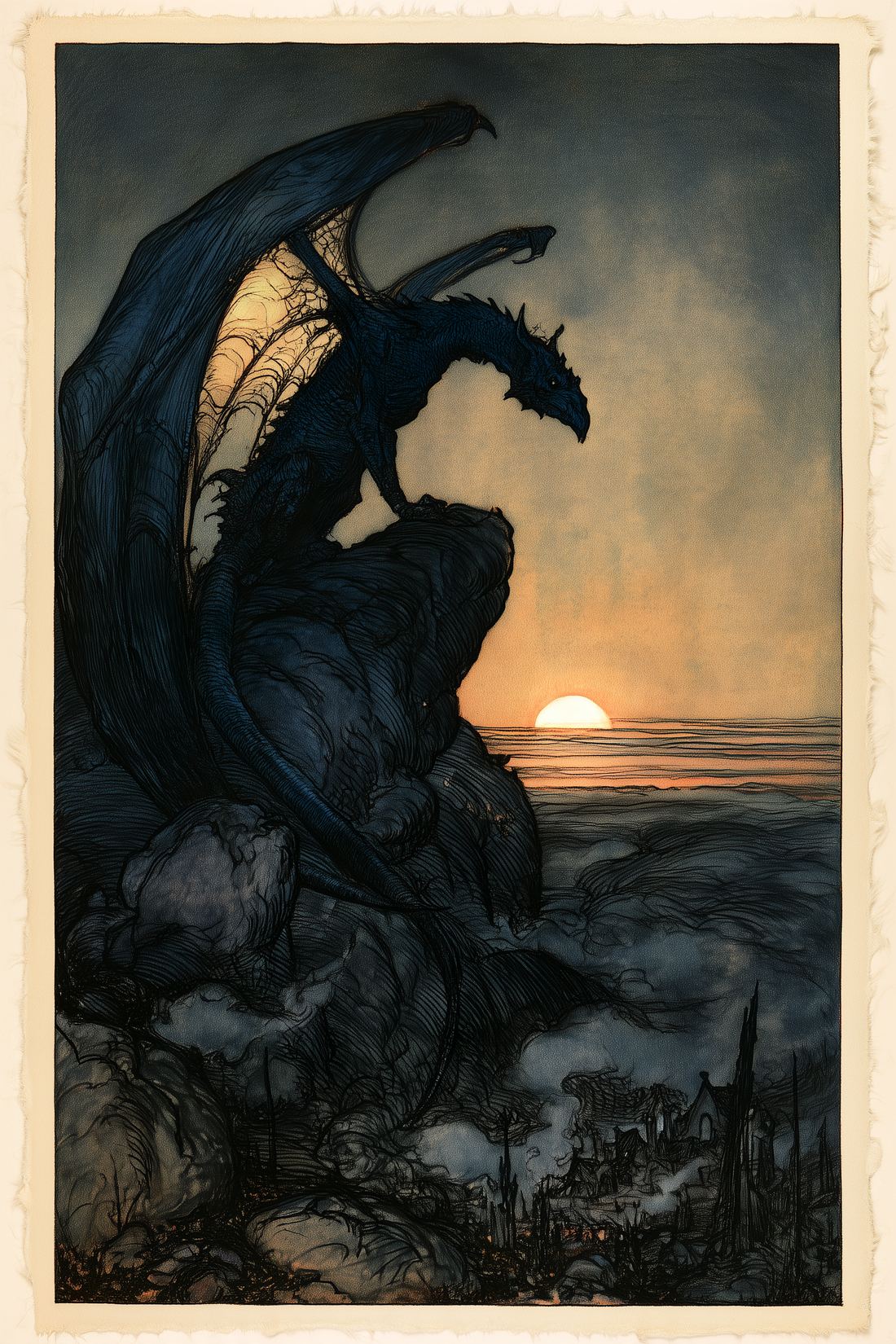
The dragon in silhouette on a crag against the setting sun, a burning village below
Terrible MajestyDesolation of Kalaxes
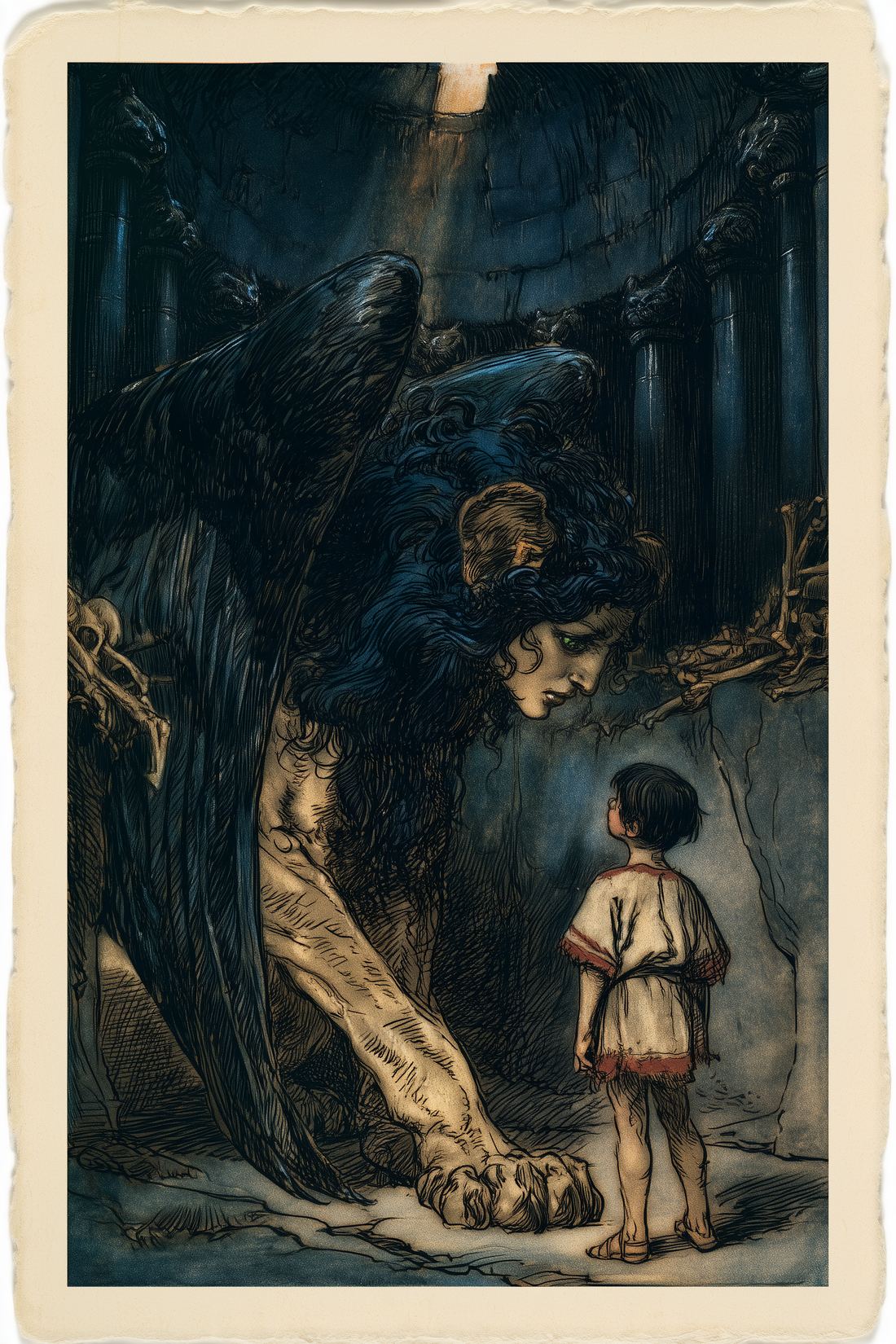
The sphinx leaning down to the boy among scattered bones
The Sphinx's ArenaRiddles in the Mist
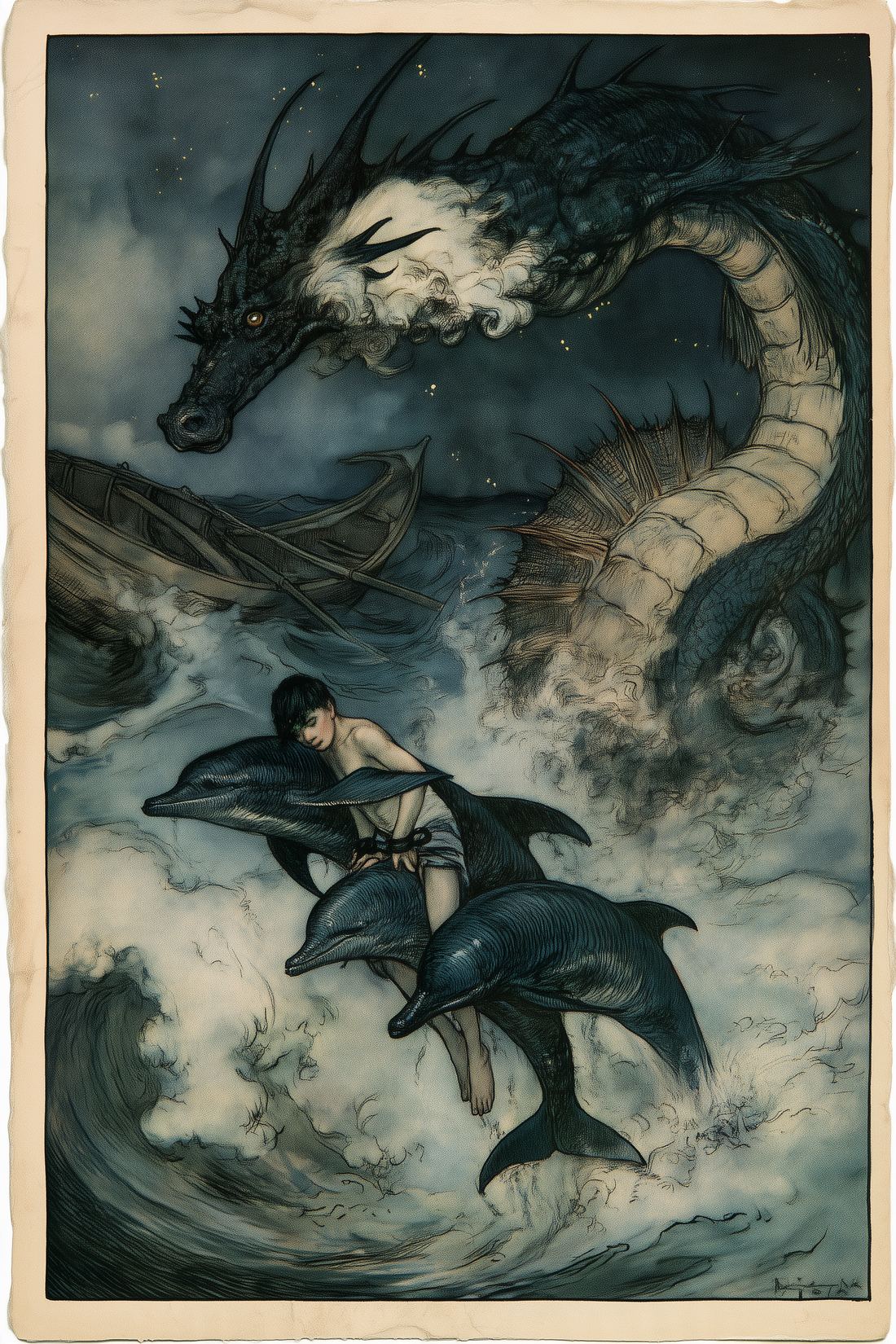
The boy carried through the storm on the backs of dolphins, a sea serpent above him and a ship going down
What Carries YouThe Pirates' Prize
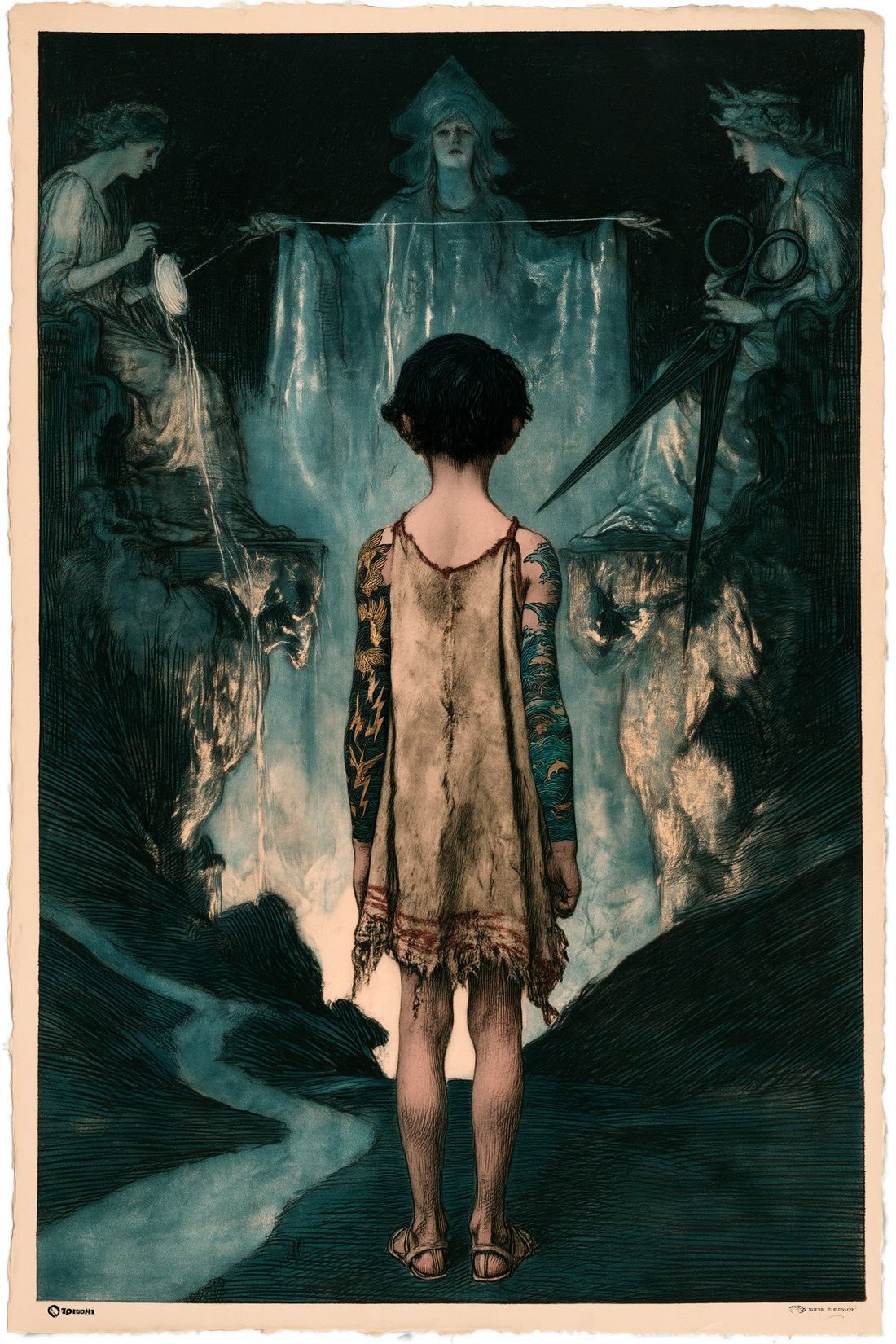
The boy standing before the three Fates, the thread held between them and the shears raised
Three ThreadsThe Trial of the Moirai
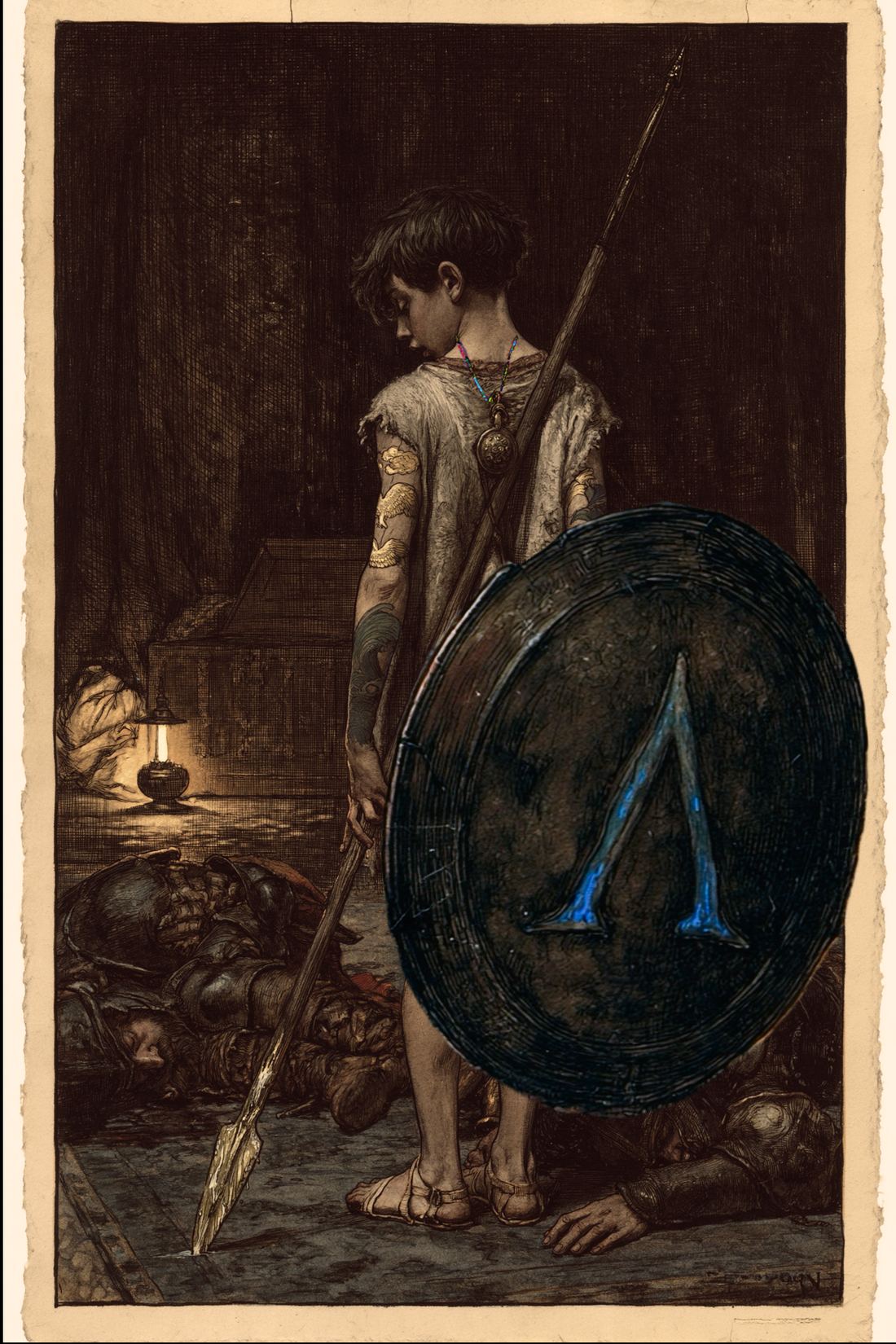
The boy with spear and the lambda shield, its device burning blue, the fallen guards behind him
Death of the Persian GuardsThe Chest
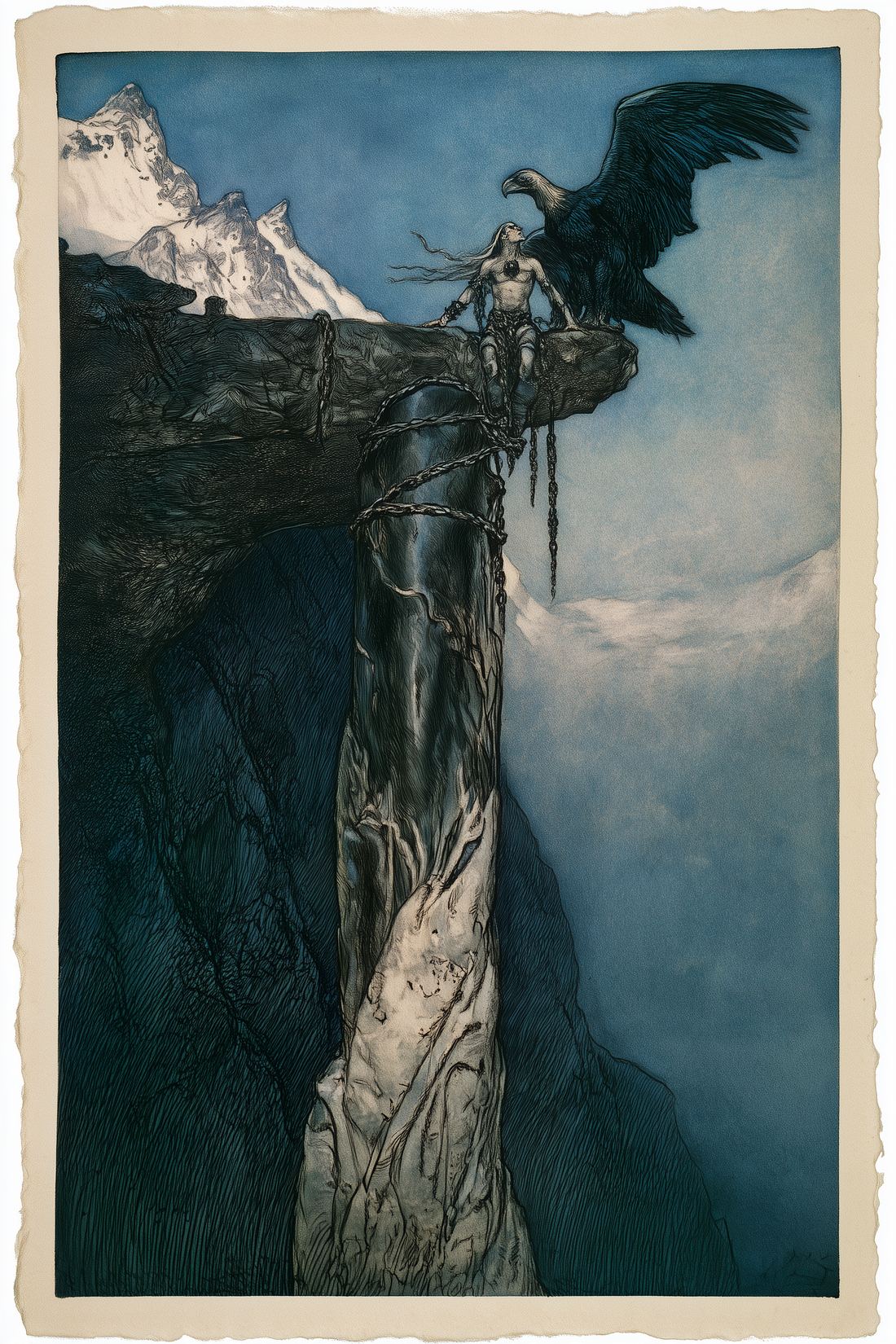
The chained titan on a high stone shelf, the boy before him
Chains We Refuse to SeeThe Chained Titan
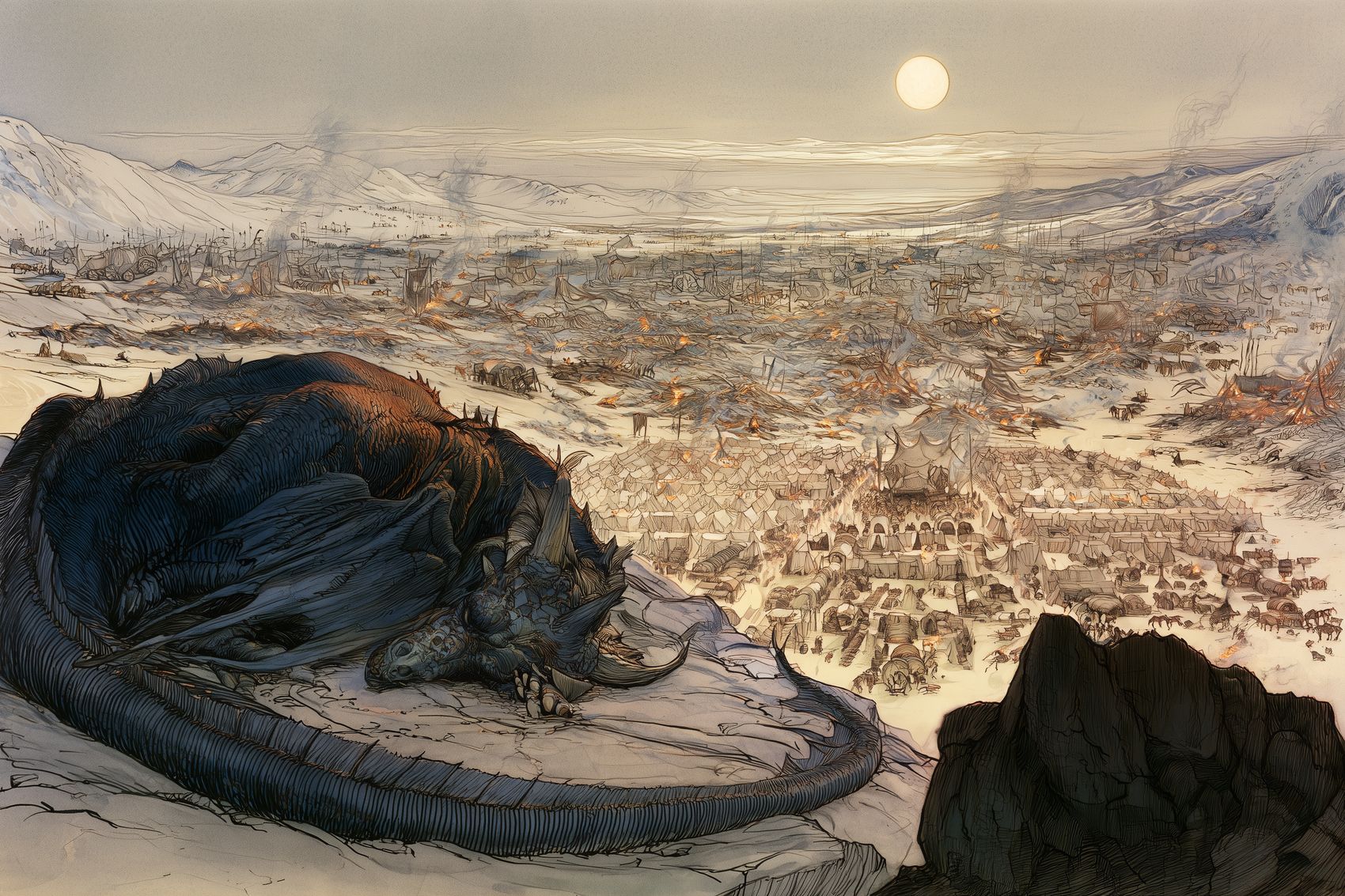
The dragon asleep at the edge of a war camp on a burnt valley floor under a pale moon
A Great SleepBarbarian Massacre

The Stone at the Pass

Ὦ ξεῖν’ παριόντι,
ἀγγέλλειν Λακεδαιμονίοις
ὅτι τῇδε κείμεθα,
τοῖς ἡμετέροις ῥήμασι πειθόμενοι,
δὲ ὁ δράκων κοιμᾶται.


O stranger passing by,
go and tell the Spartans,
that here we lie,
upholding their laws,
while the dragon sleeps.

The first four lines are the epitaph Herodotus records at Thermopylae (Hdt. 7.228). The fifth line is the book.

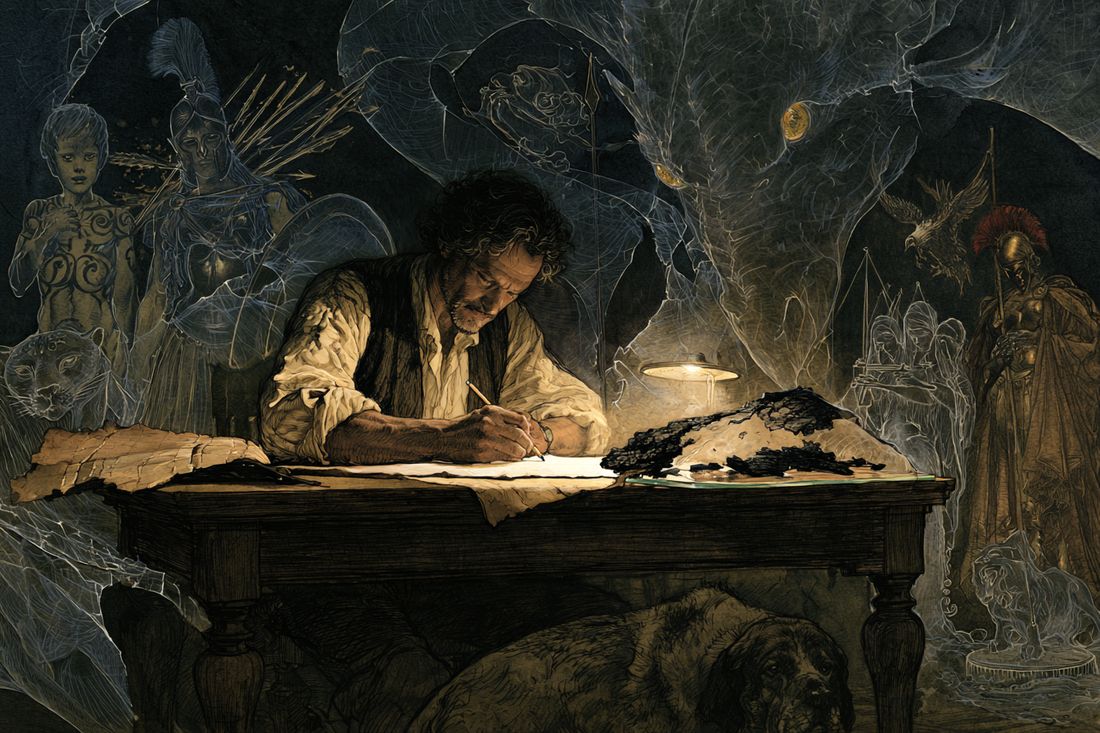
The translator at his desk with the unrolled scroll, the figures of the story standing about him in the dark

The Acenes Codex

Herculaneum, Villa of the Papyri. Carbonized in the eruption of 79 AD, sealed in a bronze case bearing the lambda of Sparta, which is why it survived when the others did not.

Unread for two thousand years. Read at last by man and machine.

The manuscript you are about to read, commonly referred to as the “Acenes Codex,” was discovered in 1875 during Heinrich Schliemann’s lesser-known excavation at the Villa of the Papyri in Herculaneum, near Pompeii. Translator’s Note

The full note, with the provenance and the imaging method, stands at the front of the book.

Built from the Sources

The agōgē here is Xenophon's, not the film's. The deliberate underfeeding that forces boys to steal, and the beating for being caught rather than for stealing (Xen. Lac. 2.5–2.8). The black broth of the common mess (Plut. Lyc. 12).

Molon labe is said to the dragon long before it is ever said to Xerxes.

Every term in the book has an entry in the Lexicon of Sparta and Greek myth, from the agōgē and the krypteia to the Moirai and the black broth.

A real Herculaneum scroll, PHerc. 1667, was virtually unwrapped and read for the first time in June 2026. The full Greek text and English translation are here.

The hoard beneath the mountain, drawn in the manner of the plates

Come and take them